Os blocos de conteúdo clínico abaixo (corpo dos laudos de imagem, painel laboratorial completo, microbiota, AUDIT) estão sendo traduzidos. Os relatórios de imagem têm versão em português nos PDFs originais — os títulos, indicações e impressões já estão bilíngues.
CT facial sinuses MRI head CT coronary EEG Blood & urine Gut microbiota Alcohol pattern

CT scan — facial sinuses · 12 January 2026TC dos seios da face · 12 de janeiro de 2026

Volumetric multi-detector CT, no IV contrast. Indication: facial trauma (post bicycle accident, 5 January 2026). Requesting physician: Dr. José Roberto Chodraui (CRM 54911). 707 axial slices — scrub the slider, scroll over the image, click-and-drag vertically, or use the arrow keys to navigate. Tomografia computadorizada multidetector volumétrica, sem contraste endovenoso. Indicação: trauma facial (após acidente de bicicleta, 5 de janeiro de 2026). Médico solicitante: Dr. José Roberto Chodraui (CRM 54911). 707 cortes axiais — arraste o controle, role o cursor sobre a imagem, clique e arraste verticalmente, ou use as setas do teclado para navegar.

Axial slice viewer
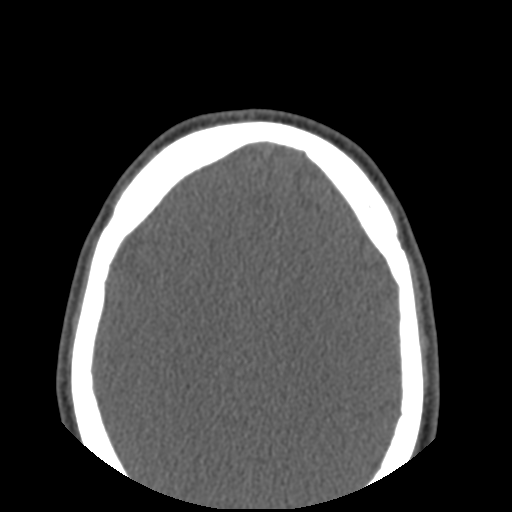
Slice 353 / 707
CT slice 353

Radiologist's report (translated)

IdentifiersIdentificadores

  • Patient. Joao Victor Creste Dias de Souza
  • DOB. 17 October 1992
  • Exam date. 12 January 2026
  • Exam. Computed tomography of the facial sinuses
  • Requesting physician. Dr. José Roberto Chodraui · CRM 54911
  • Reference / Code. 4506971 / 0013393450323001

Indication & techniqueIndicação e técnica

  • Clinical indication. Facial trauma.
  • Technique. Volumetric acquisition of the facial sinuses on a multi-detector scanner, without venous contrast administration.

FindingsAchados

  • Discrete bulging and soft-tissue irregularities in the right frontal region.
  • Regional bone structures intact.
  • Mucosal thickening of the left lateral wall of the sphenoid sinus, in the right maxillary sinus with obliteration of the ostiomeatal complex, and focal thickening of the floor of the left maxillary sinus. Normal transparency of the remaining facial sinuses. Left ostiomeatal complex unobstructed. Presence of an accessory ostium in the medial wall of the right maxillary sinus.
  • Asymmetric inferior nasal turbinates — smaller on the right side.
Diagnostic Impression: Left sphenoidal and bilateral maxillary sinusopathy (chronic?). Soft-tissue findings in the right frontal region consistent with the recent facial trauma; bone structures preserved.

MRI brain + intracranial angio-MR · 23 April 2022RM do encéfalo + angio-RM intracraniana · 23 de abril de 2022

Multiplanar T1, T2 (with fat suppression), FLAIR, susceptibility and diffusion sequences, followed by 3D / 2D T1 with gadolinium. TOF and contrast-phase angiographic acquisitions of the intracranial arteries and veins. 717 frames across 14 acquired series — scrub the slider, scroll over the image, click-and-drag vertically, or use the arrow keys. Sequências multiplanares T1, T2 (com supressão de gordura), FLAIR, suscetibilidade magnética e difusão, seguidas de aquisições 3D / 2D em T1 com gadolínio. Aquisições angiográficas TOF e fase de contraste das artérias e veias intracranianas. 717 imagens em 14 séries adquiridas — arraste o controle, role sobre a imagem, clique e arraste verticalmente ou use as setas.

Multi-sequence viewer
Image 1 / 717
MRI brain image

Radiologist's report (translated)

IdentifiersIdentificadores

  • Patient. Joao Victor Creste Dias de Souza
  • DOB. 17 October 1992
  • Exam date. 23 April 2022
  • Exam. Magnetic resonance imaging of the brain + intracranial angio-MR (arteries and veins)
  • Patient ID. 3402824
  • Reported by. Dr. Glauber Lilargem Siqueira · CRM 230127
  • Reviewed & signed by. Dr. Ellison Fernando Cardoso · CRM 90787

TechniqueTécnica

  • Multiplanar acquisition emphasising T1, T2 with fat-signal suppression and FLAIR.
  • Magnetic susceptibility and diffusion sequences.
  • Post-IV gadolinium: 3D and 2D T1, with and without fat suppression.
  • Angiographic sequences: TOF and contrast-phase, plus GE-SPGR with IV gadolinium.
  • Multiplanar reformatting at maximum intensity projection.

FindingsAchados

  • Brain parenchyma with normal positions, morphology and signal characteristics.
  • No areas of pathological enhancement or restricted diffusion identified.
  • Mucosal thickening of the ethmoidal cells and maxillary sinuses, with a wavy aspect in the right maxillary sinus — may correspond to polyps / retention cysts.
  • Arterial angio-MR: the major intracranial arterial trunks and main branches show normal trajectories, calibres and signal intensities. Small irregularities in the signal columns may reflect technique-inherent artefacts or discrete vessel-wall irregularities.
  • Venous angio-MR: the major intracranial venous drainage sinuses and main cerebral veins show normal trajectory, calibre and signal intensity.
Impression: Brain MRI and intracranial arterial & venous angio-MR within normal limits.

Coronary CT angiography · 19 July 2023Angiotomografia das coronárias · 19 de julho de 2023

64-row multi-detector helical CT with iterative reconstruction software for radiation-dose reduction. Non-ionic iodinated IV contrast (350 mg/ml). Pre-medication: metoprolol 50 mg PO + isosorbide 3.75 mg SL. Performed at Albert Einstein Medicina Diagnóstica, São Paulo. 2,206 frames across 19 acquired series — scrub the slider, scroll, drag, or arrow-key to navigate. TC helicoidal multislice de 64 fileiras de detectores com software de reconstrução iterativa para redução de dose. Contraste iodado endovenoso não iônico (350 mg/ml). Pré-medicação: metoprolol 50 mg VO + isossorbida 3,75 mg SL. Realizado no Albert Einstein Medicina Diagnóstica, São Paulo. 2.206 imagens em 19 séries adquiridas — arraste o controle, role, arraste ou use as setas para navegar.

Multi-acquisition viewer
Image 1 / 2206
Coronary CT image

Radiologist's report (translated)

IdentifiersIdentificadores

  • Patient. Joao Victor Creste Dias de Souza
  • DOB. 17 October 1992
  • Exam date. 19 July 2023
  • Exam. Coronary CT angiography
  • Patient ID. 3402824 · Access 32088962/12
  • Institution. Albert Einstein Medicina Diagnóstica
  • Reported by. Dr. Marcos Roberto Gomes de Queiroz · CRM-SP 90.835

Technique & medicationsTécnica e medicações

  • 64-row multislice helical CT, iterative reconstruction for radiation-dose reduction.
  • IV contrast: non-ionic iodinated, 350 mg/ml.
  • Pre-medication: metoprolol 50 mg PO + isosorbide 3.75 mg SL.

Calcium score (Agatston) — non-contrast phaseEscore de cálcio (Agatston) — fase sem contraste

Artery Score (Agatston) Volume
Left main coronary trunk00
Anterior descending (LAD)710
Circumflex00
Right coronary00
Total 7 10

Calcium score of 7 — between the 75th and 90th percentiles for age and sex.

Findings — contrast phaseAchados — fase com contraste

  • Right-dominant coronary circulation.
  • Left main coronary trunk with normal trajectory and calibre; trifurcates into LAD, diagonalis and circumflex.
  • LAD: long, contours the cardiac apex. Partially calcified plaque with positive remodelling in the proximal segment, just after origin, producing slight luminal reduction.
  • First diagonal branch — small calibre, no luminal reduction. Second diagonal — fine calibre, patent.
  • Diagonalis artery — moderate calibre, bifurcated, no luminal reduction.
  • Circumflex — normal trajectory and calibre. First marginal branch — large calibre, ramified, no luminal reduction.
  • Right coronary artery — normal trajectory and calibre.
  • Posterior descending and posterior ventricular arteries — normal trajectory and calibre.

Luminal-reduction grading: slight < 50% · moderate 50–70% · severe > 70%.

Impression: Calcium score 7 (75th–90th percentile). Coronary CT angiography without significant luminal reduction, although a partially calcified plaque is present in the proximal LAD — an uncommon finding for this age group.

Electroencephalogram (EEG) · 29 March 2023Eletroencefalograma (EEG) · 29 de março de 2023

Digital EEG performed in waking, drowsy and sleep states. Activated by hyperventilation and intermittent photostimulation. 16 trace pages — scrub the slider, scroll, drag or arrow-key to step through. EEG digital realizado em estados de vigília, sonolência e sono. Ativado por hiperpneia e fotoestimulação intermitente. 16 páginas de traçado — arraste o controle, role, arraste ou use as setas para avançar.

Trace viewer
Page 1 / 16
EEG trace page

Neurologist's report (translated)

IdentifiersIdentificadores

  • Patient. Joao Victor Creste Dias de Souza
  • DOB. 17 October 1992
  • Exam date. 29 March 2023
  • Exam. Digital electroencephalogram (EEG)
  • Patient ID. 3402824
  • Reported by. Dra. Taissa Ferrari Marinho · CRM 120785

TechniqueTécnica

  • Digital EEG recording across waking, drowsy and sleep states.
  • Activations: hyperventilation and intermittent photostimulation.

FindingsAchados

  • Background activity asymmetric — organised on the right, slightly disorganised on the left.
  • Wakefulness: posterior rhythm 9–10 Hz, amplitude 20–40 μV. Other regions: theta and beta waves.
  • Drowsiness: diffuse slowing of cerebral electrical activity.
  • Sleep: physiological graphoelements (vertex sharp waves, sleep spindles) registered in habitual topography and incidence. Slow waves (theta & delta) increased in posterior left regions — the source of the asymmetry.
  • No paroxysmal epileptiform graphoelements recorded.
  • Hyperventilation and intermittent photostimulation did not evoke abnormal responses.
Conclusion: EEG in waking, drowsy and sleep states evidencing — (1) asymmetric background activity, organised on the right and slightly disorganised on the left; (2) no epileptiform abnormalities.

Blood & urine — full panelSangue e urina — painel completo

71 laboratory markers across 13 panels. Source document: a clinician-style report generated for the patient (Portuguese original); panel and test names translated to English here, with the Portuguese term shown in parentheses where translation is non-obvious. Reference ranges, bar visualisations, per-test commentary and "possible contributing factors" preserved from the original report (translated). 71 marcadores laboratoriais em 13 painéis. Documento de origem: um relatório em estilo clínico gerado para o paciente (original em português); nomes de painéis e exames traduzidos para inglês aqui, com o termo em português mostrado entre parênteses quando a tradução não é óbvia. Intervalos de referência, visualizações em barra, comentários por exame e "possíveis fatores contribuintes" preservados do relatório original (traduzido).

Within reference
65/71
Normal results
Watch
4
Discuss with physician
Flagged
1
Clinical evaluation indicated
Informational
1
Qualitative result

Highlights worth discussing

Clinical priority order. None require urgent action — all are talking points for the next follow-up with Dr. Tischer.

Total Cholesterol
199 mg/dL
Watch Lipid Profile
< 190 mg/dL (desirable)
Slightly above desirable. Discuss with the physician alongside LDL and HDL.
Creatinine
1.3 mg/dL
Watch Kidney Function
Reference: 0,6 – 1,4 mg/dL
At the upper limit. May reflect muscle mass or hydration. Track the trend.
Estradiol (E2)
47.62 pg/mL
Watch Sex & Adrenal Hormones
≤ 39,8 pg/mL (men > 21 years)
Slightly elevated. May relate to body weight, prior alcohol use, or medication. Discuss with Dr. Tischer.
Homocysteine
14.4 µmol/L
Flagged Vitamins & Metabolic Markers
Reference: 5 – 12 µmol/L
Elevated. Independent cardiovascular risk marker. Frequently responds to B12, B6, and folate — discuss supplementation with the physician.
Urinary specific gravity
1.005
Watch Urinalysis (EAS)
Reference: 1,015 – 1,025
Below expected: dilute urine. May indicate high fluid intake or sample dilution. No pathology if isolated.

Strengths of the panel

Markers in the optimal range — a solid baseline worth maintaining.

HDL
76 mg/dL
Total testosterone
580.8 ng/dL
HbA1c
5.2 %
Vitamin D
38.4 ng/mL
TSH
2.32 µIU/mL
AST / ALT
32 / 23 U/L
Anti-HBs
333.4 mIU/mL
eGFR
> 60 mL/min

Recommended actions (translated)

  1. 01
    Investigate elevated homocysteine Priority

    14.40 µmol/L is above reference (5–12) — an independent cardiovascular risk factor. Common causes: functional deficiency of B6, B12 or folate; MTHFR polymorphism; borderline kidney function. Although serum B12 and folate are normal, elevated homocysteine may indicate sub-optimal vitamin metabolism.

    Action: bring this result to Dr. Tischer. Discuss MTHFR testing (already known: compound heterozygous from TotalGene) and consider methylfolate / methylcobalamine supplementation.

  2. 02
    Monitor total cholesterol & estradiol Watch

    Total cholesterol slightly elevated (199 mg/dL) is offset by excellent HDL (76) and optimal LDL (95) — the actual clinical reading is favourable. Estradiol slightly above the male range (47.62 vs ≤ 39.8) may relate to body weight, prior alcohol use, or medication interaction.

    Action: reassess in 3 months alongside weight evolution and the alcohol-abstinence trajectory. No isolated intervention needed now.

  3. 03
    Confirm creatinine trend Watch

    Creatinine at 1.30 mg/dL is at the upper limit, but eGFR remains > 60. May reflect muscle mass, hydration or medication. Low urinary specific gravity (1.005) suggests a dilute sample at the time of collection.

    Action: repeat creatinine and urinalysis in 8–12 weeks with standardised hydration. Consider Cystatin C if it persists.

  4. 04
    Maintain what is working Continue

    Optimal testosterone, excellent HDL, ideal HbA1c, vitamin D in the optimal range, preserved hepatic and kidney function despite the current medication profile, and confirmed Hepatitis B immunisation. These are strong baseline health markers.

    Action: maintain hydration, moderate sun exposure, regular sleep and the alcohol abstinence started 10 April. Reassess full panel in 3–6 months.

All 13 panels

Complete Blood Count — Erythrogram Red blood cells and oxygenation capacity 7 markers
Red Blood Cells (RBC) (Eritrócitos)
4.59 million/mm³ Normal
min 4,3 max 5,9
Reference: 4,3 – 5,9 milhões/mm³
Hemoglobin (Hemoglobina)
13.8 g/dL Normal
min 13,3 max 17,7
Reference: 13,3 – 17,7 g/dL
Within range, but close to the lower limit. (translated)
Possible contributing factors — suggestive only, based on current medication and history. Does not replace clinical evaluation.
  • Hydration at the time of collection (urinary specific gravity 1.005 suggests a dilute sample)
  • Depakote (valproate) is occasionally associated with mild anaemia / myelosuppression
  • Adequate iron stores (ferritin 55, iron 113) — no iron deficiency
  • No systemic inflammatory signals on the panel
Hematocrit (Hematócrito)
41.4 % Normal
min 40 max 52
Reference: 40 – 52 %
Red blood cell volume. Lower-limit — tracks with hemoglobin. (translated)
Possible contributing factors — suggestive only, based on current medication and history. Does not replace clinical evaluation.
  • Same factors as for hemoglobin: hydration at collection and Depakote
  • Repeat with a standardised collection (fasting + normal hydration) to confirm the trend
MCV (Mean Corpuscular Volume) (VCM (Volume Corpuscular Médio))
90.19 fL Normal
min 80 max 100
Reference: 80 – 100 fL
MCH (Mean Corpuscular Hemoglobin) (HCM (Hemoglobina Corpuscular Média))
30.06 pg Normal
min 26 max 34
Reference: 26 – 34 pg
MCHC (CHCM)
33.33 g/dL Normal
min 30 max 38
Reference: 30 – 38 g/dL
RDW (red cell distribution width) (RDW)
13 % Normal
min 11,5 max 14,5
Reference: 11,5 – 14,5 %
Complete Blood Count — Leukogram Sistema imunológico e contagem de células de defesa 6 markers
Total Leukocytes (WBC) (Leucócitos totais)
6.760 /mm³ Normal
min 3.600 max 11.000
Reference: 3.600 – 11.000 /mm³
Neutrófilos segmentados
3.536 /mm³ Normal
min 1.800 max 7.000
Reference: 1.800 – 7.000 /mm³
Eosinophils (Eosinófilos)
150 /mm³ Normal
min 0 max 600
Reference: 0 – 600 /mm³
Basophils (Basófilos)
14 /mm³ Normal
min 0 max 200
Reference: 0 – 200 /mm³
Linfócitos típicos
2.660 /mm³ Normal
min 1.000 max 5.000
Reference: 1.000 – 5.000 /mm³
Monocytes (Monócitos)
400 /mm³ Normal
min 80 max 1.200
Reference: 80 – 1.200 /mm³
Platelets & Coagulation Fragmentos celulares responsáveis pela coagulação 2 markers
Platelets (Plaquetas)
322.300 /mm³ Normal
min 140.000 max 400.000
Reference: 140.000 – 400.000 /mm³
MPV (Mean Platelet Volume) (VPM (Volume Plaquetário Médio))
9.1 fL Normal
min 6 max 10
Reference: 6 – 10 fL
Glycemia & Diabetes Controle de açúcar no sangue (jejum de 12h) 3 markers
Glicose em jejum
80 mg/dL Normal
min 70 max 99
< 100 mg/dL
Glycated Hemoglobin (HbA1c) (Hemoglobina glicada (HbA1c))
5.2 % Normal
min 4 max 5,6
< 5,7% (baixo risco)
Excellent glycemic control over the last 3 months. (translated)
Estimated Average Glucose (eAG) (Glicemia média estimada (eAG))
102.5 mg/dL Normal
min 70 max 125
Reference: 70 – 125 mg/dL
Calculated from HbA1c. (translated)
Lipid Profile Colesterol e gorduras no sangue — risco cardiovascular 6 markers
Total Cholesterol (Colesterol Total)
199 mg/dL Watch
min 100 max 190
< 190 mg/dL (desirable)
Slightly above desirable. Discuss with the physician alongside LDL and HDL. (translated)
Possible contributing factors — suggestive only, based on current medication and history. Does not replace clinical evaluation.
  • Quetiapine is an atypical antipsychotic associated with dyslipidemia (well-documented class metabolic effect)
  • Cymbalta (duloxetine) may slightly elevate the lipid profile
  • Depakote (valproate) may contribute indirectly via weight gain and metabolic changes
  • Body composition and dietary pattern — weight-reduction goal is in progress
  • Excellent HDL (76) and optimal LDL (95) partially offset cardiovascular risk
HDL Cholesterol (the "good" one) (HDL Colesterol ("bom"))
76 mg/dL Normal
min 40 max 90
> 40 mg/dL (desirable)
Excellent. High HDL is a cardiovascular protective factor. (translated)
LDL Cholesterol (the "bad" one) (LDL Colesterol ("ruim"))
95.3 mg/dL Normal
min 0 max 130
< 130 mg/dL (risco baixo)
Triglicérides
141 mg/dL Normal
min 0 max 150
< 150 mg/dL (desirable)
Não-HDL Colesterol
123.5 mg/dL Normal
min 0 max 160
< 160 mg/dL (risco baixo)
VLDL Colesterol
28.2 mg/dL Normal
min 0 max 30
< 30 mg/dL (desirable)
Kidney Function Saúde dos rins e capacidade de filtração 5 markers
Creatinine (Creatinina)
1.3 mg/dL Watch
min 0,6 max 1,4
Reference: 0,6 – 1,4 mg/dL
At the upper limit. May reflect muscle mass or hydration. Track the trend. (translated)
Possible contributing factors — suggestive only, based on current medication and history. Does not replace clinical evaluation.
  • Cymbalta (duloxetine) may slightly elevate serum creatinine in some patients
  • Male muscle mass (33 years old) — physiological source of creatinine
  • Sub-optimal hydration or pre-collection variation (the low urinary specific gravity in this exam does not exclude)
  • eGFR > 60 indicates preserved kidney function — structural renal damage unlikely
  • Lyrica (pregabalin) is predominantly renally eliminated — monitoring of function is prudent
eGFR (estimated Glomerular Filtration Rate) (Taxa de Filtração Glomerular (TFG))
> 60 mL/min/1,73m² Normal
min 60 max 120
> 60 mL/min/1,73m²
Preserved kidney function (estimated). (translated)
Ácido Úrico
4.1 mg/dL Normal
min 3,7 max 7,8
Reference: 3,7 – 7,8 mg/dL
Sodium (Na) (Sódio)
142.1 mEq/L Normal
min 134 max 146
Reference: 134 – 146 mEq/L
Potassium (K) (Potássio)
4.2 mEq/L Normal
min 3,5 max 5,4
Reference: 3,5 – 5,4 mEq/L
Liver Function Saúde do fígado e enzimas — relevante dado uso de Depakote e Cymbalta 8 markers
TGO / AST
32 U/L Normal
min 12 max 46
Reference: 12 – 46 U/L
TGP / ALT
23 U/L Normal
min 3 max 50
Reference: 3 – 50 U/L
GGT (Gamma-GT) (Gama-GT (GGT))
25 U/L Normal
min 0 max 73
< 73 U/L
No hepatic signal of recent alcohol use. (translated)
Alkaline Phosphatase (Fosfatase Alcalina)
51 U/L Normal
min 46 max 116
Reference: 46 – 116 U/L
Total Protein (Proteínas Totais)
6.6 g/dL Normal
min 5,7 max 8,2
Reference: 5,7 – 8,2 g/dL
Albumin (Albumina)
4.3 g/dL Normal
min 3,5 max 4,8
Reference: 3,5 – 4,8 g/dL
Globulina
2.3 g/dL Normal
min 1,5 max 3,5
(calculada)
Relação A/G
1.8 Normal
min 1,2 max 2,2
Reference: 1,2 – 2,2
Minerals & Electrolytes Equilíbrio mineral fundamental 7 markers
Cálcio total
10 mg/dL Normal
min 8,3 max 10,6
Reference: 8,3 – 10,6 mg/dL
Magnesium (Mg) (Magnésio)
2.2 mg/dL Normal
min 1,3 max 2,7
Reference: 1,3 – 2,7 mg/dL
Phosphorus (P) (Fósforo)
3.4 mg/dL Normal
min 2,5 max 5,6
Reference: 2,5 – 5,6 mg/dL
Serum Iron (Ferro sérico)
113 µg/dL Normal
min 65 max 175
Reference: 65 – 175 µg/dL
Ferritin (Ferritina)
55.3 ng/mL Normal
min 21 max 334
Reference: 21 – 334 ng/mL
Adequate iron stores. (translated)
Transferrina total
311.7 mg/dL Normal
min 200 max 350
Reference: 200 – 350 mg/dL
Transferrin Saturation (Saturação de Transferrina)
25.3 % Normal
min 20 max 55
Reference: 20 – 55 %
Thyroid Hormônios reguladores do metabolismo 4 markers
TSH (high-sensitivity) (TSH (ultra-sensível))
2.316 µIU/mL Normal
min 0,55 max 4,78
Reference: 0,55 – 4,78 µIU/mL
Optimal functional range. (translated)
Free T4 (T4 Livre)
1.29 ng/dL Normal
min 0,8 max 2
Reference: 0,8 – 2 ng/dL
T4 Total
6 µg/dL Normal
min 4,3 max 12,5
Reference: 4,3 – 12,5 µg/dL
T3 Triiodotironina
100.32 ng/dL Normal
min 80 max 200
Reference: 80 – 200 ng/dL
Sex & Adrenal Hormones Equilíbrio endócrino, andrógenos e cortisol 9 markers
Total Testosterone (Testosterona Total)
580.83 ng/dL Normal
min 241 max 827
Reference: 241 – 827 ng/dL
Excellent level for an adult male. Favourable for energy, libido, and body composition. (translated)
Estradiol (E2)
47.62 pg/mL Watch
min 10 max 39,8
≤ 39,8 pg/mL (men > 21 years)
Slightly elevated. May relate to body weight, prior alcohol use, or medication. Discuss with Dr. Tischer. (translated)
Possible contributing factors — suggestive only, based on current medication and history. Does not replace clinical evaluation.
  • Excess adipose tissue → peripheral aromatisation of testosterone into estradiol
  • Recent history of alcohol use (a potent aromatase inducer) — abstinence since 10 April should improve this
  • Depakote (valproate) may interfere with hormonal metabolism
  • Preserved liver function (normal AST/ALT) — no indication of impact on hormonal conjugation
  • Reassess after 3 months of alcohol abstinence and ongoing weight loss
LH (Luteinizante)
4.83 mIU/mL Normal
min 1,5 max 9,3
Reference: 1,5 – 9,3 mIU/mL
FSH (Folículo-Estimulante)
6.68 mIU/mL Normal
min 1,4 max 18,1
Reference: 1,4 – 18,1 mIU/mL
Prolactin (Prolactina)
5.2 ng/mL Normal
min 2,1 max 17,7
Reference: 2,1 – 17,7 ng/mL
Relevant: Quetiapine can elevate prolactin. The result is reassuring. (translated)
PSA Total
0.34 ng/mL Normal
min 0 max 4
< 4,0 ng/mL
PTH (Paratormônio)
42.1 pg/mL Normal
min 12 max 65
Reference: 12 – 65 pg/mL
Morning Cortisol (Cortisol matinal)
7.39 µg/dL Normal
min 7 max 21
Reference: 7 – 21 µg/dL
At the lower limit of the morning (8–9 am) range. Compatible with subclinical adrenal fatigue or a medication effect. (translated)
Possible contributing factors — suggestive only, based on current medication and history. Does not replace clinical evaluation.
  • Chronic diazepam (Valium) is a known suppressor of the HPA axis — an expected effect in the current profile
  • Quetiapine suppresses stress response and morning cortisol
  • Cymbalta (duloxetine) may normalise/reduce cortisol with chronic use
  • Sleep and recovery patterns affect the circadian rhythm of cortisol
  • Collection at 8:23 am — within the correct morning window (result is not a timing artefact)
Progesterone (Progesterona)
< 0.21 ng/mL Informational
N/A (referência feminina)
Clinical reference is female; no isolated significance in a male. (translated)
Vitamins & Metabolic Markers Status nutricional e fatores de risco cardiovascular 4 markers
Vitamin D (25-OH) (Vitamina D (25-OH))
38.36 ng/mL Normal
min 30 max 60
30–60 ng/mL (faixa ótima)
Good level. Maintain sun exposure and/or current supplementation. (translated)
Vitamin B12 (Vitamina B12)
863 pg/mL Normal
min 211 max 911
Reference: 211 – 911 pg/mL
Close to the upper limit. No sign of deficiency. (translated)
Possible contributing factors — suggestive only, based on current medication and history. Does not replace clinical evaluation.
  • May reflect prior supplementation (even when discontinued, B12 accumulates in the liver)
  • High serum B12 with high homocysteine suggests sub-optimal metabolic utilisation — the body receives B12 but does not efficiently convert it into methylcobalamin
  • Strong suspicion of MTHFR polymorphism or other cofactor deficiencies on the methylation pathway
  • Normal liver function rules out a hepatic cause (rarely, high B12 indicates hepatopathy)
  • Consider switching to specific methylcobalamin if supplementation is used
Folate (Ácido Fólico)
11.93 ng/mL Normal
min 5,38 max 20
> 5,38 ng/mL
Homocysteine (Homocisteína)
14.4 µmol/L Flagged
min 5 max 12
Reference: 5 – 12 µmol/L
Elevated. Independent cardiovascular risk marker. Frequently responds to B12, B6, and folate — discuss supplementation with the physician. (translated)
Possible contributing factors — suggestive only, based on current medication and history. Does not replace clinical evaluation.
  • Depakote (valproate) is a KNOWN cause of hyperhomocysteinaemia — it inhibits the folate cycle and methylation pathway
  • MTHFR polymorphism (strongly suspected) — would explain why normal serum B12 and folate fail to keep homocysteine low
  • Borderline kidney function (creatinine 1.30) reduces homocysteine clearance
  • High serum B12 (863) with high homocysteine = a classic pattern of sub-optimal utilisation
  • Lyrica and Cymbalta have minimal contribution on this axis
  • Consider testing for MTHFR polymorphism + supplementation with methylfolate + methylcobalamin + B6 (P5P)
Serology Marcadores de infecção e imunidade 4 markers
Anti-HBs (Hep B surface antibody — immunity) (Anti-HBs (imunidade Hepatite B))
333.4 mIU/mL — Reagente Normal
≥ 10 mIU/mL: imunizado
Vaccinal/natural immunity to Hepatitis B confirmed. (translated)
HBsAg (Hep B surface antigen) (HBsAg (Hepatite B antígeno))
Não Reagente Normal
Esperado: Não reagente
No active Hepatitis B infection. (translated)
Anti-HBc IgG
Não Reagente (índice 0.30) Normal
Esperado: Não reagente
No prior contact with the virus. (translated)
HIV I & II (HIV I e II)
Não Reagente Normal
Esperado: Não reagente
HIV serology negative. (translated)
Urinalysis (EAS) Análise física, química e microscópica 6 markers
Color (Cor)
Amarelo Normal
Amarelo claro a amarelo
Appearance (Aspecto)
Límpido Normal
Límpido a ligeiramente turvo
Urinary specific gravity (Densidade urinária)
1.005 Watch
min 1,015 max 1,025
Reference: 1,015 – 1,025
Below expected: dilute urine. May indicate high fluid intake or sample dilution. No pathology if isolated. (translated)
Possible contributing factors — suggestive only, based on current medication and history. Does not replace clinical evaluation.
  • Lyrica (pregabalin) occasionally associated with mild polyuria / dilute urine
  • Cymbalta (duloxetine) rarely causes SIADH — usually presents with hyponatraemia, but sodium 142 is normal
  • Quetiapine may increase thirst and fluid intake (mild anticholinergic effect)
  • High fluid intake on the day or in the hours preceding collection
  • Diabetes insipidus very unlikely — normal sodium and no other symptoms
  • Repeat the urinalysis with a 2-hour fluid restriction before collection to confirm
Urinary pH (pH urinário)
7 Normal
min 5 max 7
Reference: 5 – 7
Glucose / Protein / Nitrite / Ketones / Bilirubin / Heme (Glicose / Proteínas / Nitrito / Cetonas / Bilirrubina / Heme)
Negativos Normal
Esperado: Negativo
No signs of diabetes, urinary tract infection, prolonged fasting, or haemolysis. (translated)
Microscopy (WBC, RBC, casts, crystals) (Microscopia (leucócitos, hemácias, cilindros, cristais))
Dentro do esperado Normal
Sedimento normal
No signs of inflammation or calculi. (translated)

Gut microbiota — Probiome (April 2024)Microbiota intestinal — Probiome (abril de 2024)

16S rRNA V3/V4 DNA sequencing — Neoprospecta / BiomeHub. Stool sample 25 April 2024.Sequenciamento de DNA 16S rRNA V3/V4 — Neoprospecta / BiomeHub. Amostra fecal de 25 de abril de 2024.

Alpha diversity (Shannon)
3.5
Reference 2.9 – 4.0 · Within range
Firmicutes / Bacteroidetes
4.1
Reference 0.7 – 5.5 · Within range
Inflammatory profile
54.5%
Anti-inflammatory share
Overall
Balanced
Microbiota in healthy range
Phylum composition
Probiome · Apr 2024

Marker bacteria

  • Faecalibacterium prausnitzii 14.7% (ref 0.9–20.8%) — within range. Anti-inflammatory butyrate producer.
  • Roseburia 2.7% (ref 0.0–6.6%) — within range. Butyrate producer.
  • Eubacterium rectale 1.1% (ref 0.0–9.2%) — within range.
  • Akkermansia muciniphila 0.0% — Not detected. Maintains gut barrier; low = metabolic risk.
  • Bifidobacterium 0.0% — Not detected. SCFA producer; protects against enteropathogens.
Conclusion (April 2024). Microbiota balanced. Diversity and Firmicutes/Bacteroidetes ratio within reference. Two key health markers absent — Akkermansia muciniphila and Bifidobacterium. Nutritional strategy: prebiotic fibre, fermented foods, reduced saturated fat. Data should be re-evaluated after diazepam taper completes.

Alcohol Pattern Assessment — AUDIT 13/40 (down from 29)Avaliação do padrão de consumo de álcool — AUDIT 13/40 (caiu de 29)

Most recent self-administered AUDIT, April 2026, scored 13/40 — Harmful range. This is a 16-point drop from the 29/40 administration on 27 March 2026 (probable dependence). The drop is meaningful: Q-by-Q the patient has moved out of the dependence band into the harmful band, with no reported morning drinking and a reduced binge frequency. AUDIT autoaplicado mais recente, abril de 2026, com pontuação de 13/40 — faixa nociva. Queda de 16 pontos em relação à aplicação de 29/40 em março de 2026, que situava o paciente na faixa de provável dependência.

AUDIT — current (Apr)
13/40
Harmful · Improving
AUDIT — previous (27 Mar)
29/40
Probable dependence · High
Oura "alcohol" sleep tags
17
Self-logged in last 6 months
Oura "Valium" tags
2
Last: 5 Nov 2025 — under-logged
AUDIT classification — April 2026
WHO bands · marker = 13/40
0Low risk · 7Harmful · 15High risk · 19Dependence · 40

Now in Harmful range — out of probable dependence. The intervention window the previous AUDIT identified (no morning drinking, high self-awareness) has been used productively. Q9 — alcohol-related injury within last year (other minor injury) — remains a fixed 4-point contributor and will only roll off 12 months after the original event.

Previous administration — 27 March 2026 (29/40)

Q-by-Q breakdown for the prior administration. Updated breakdown for the current 13/40 score will be added once available.

QTopicScoreMax
Q1Drinking frequency34
Q2Typical quantity per session (7–9 units)34
Q3Binge drinking frequency — weekly34
Q4Loss of control once started — monthly24
Q5Failure to meet normal expectations — weekly34
Q6Morning drinking to manage withdrawal — never04
Q7Guilt or remorse after drinking — daily44
Q8Blackouts — weekly34
Q9Injury as result of drinking — yes (other minor injury)44
Q10Others concerned / suggested cutting down — yes44
Total2940

Pattern

  • 2–3 drinking days/week, 7–9 units/session — ~21–27 units/week (UK safe limit 14)
  • Primary trigger: 4pm post-class contrast-loneliness drop. Urge to first drink within minutes.
  • Alcohol does not numb physical pain — worsens cervical and nerve pain short and long term.
  • One heavy episode tends to continue at the same level — prevention of onset is the lever.

Active intervention

  • 3-step interruption protocol
  • Afternoon movement anchor
  • Anchor statement deployed
  • Medication-assisted treatment under discussion with Dr. Perrier — nalmefene, naltrexone, gabapentin candidates